RAM Sticker Shock: Can You Delay an Upgrade to Save Money?

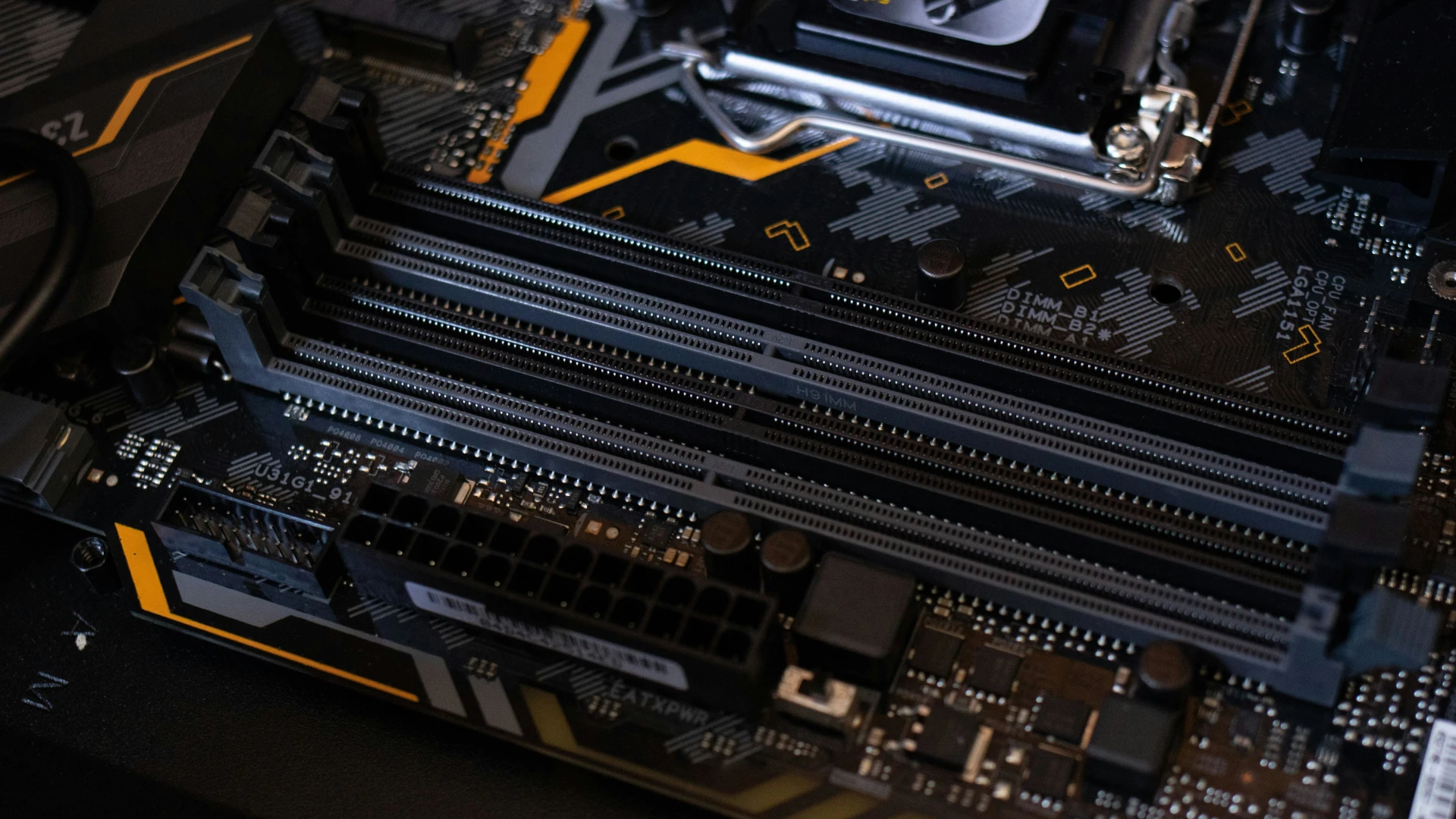
By now, everyone has heard about the rising prices of computer components due to overwhelming demand from AI tech giants that is leaving everyday consumers in the dust. Over the last year or two, prices of RAM have gone up 4x or more. Most average consumers might not notice. But if you have an older computer, or need to upgrade in the near future, you are probably feeling the pain of sticker shock.

Unfortunately, if your computer needs an upgrade and you can’t wait, it will cost you. But prices have been declining (very slowly) so if you can hold off for a while, you may save yourself a bit of money. Assuming your hardware isn’t damaged, there are some things you can do to help your computer run a bit more efficiently and tide you over for a while before you upgrade.


Clean up Background Tasks

Your computer is likely doing a dozen things you never asked it to do. Every time you start it up, a bunch of programs quietly launch themselves and just… sit there, eating up memory and processing power. Some of these processes are necessary for your computer to function, but others can be safely turned off.

Cybersecurity Tip: If you notice your computer suddenly running much slower than usual, there may be malware running in the background. Run an antivirus/antimalware scan to clean up any viruses. (Hint: You should be doing this on a regular basis)


Optimize Your RAM Usage

RAM is essentially your computer’s short-term memory — it holds everything that’s currently open and active. The more RAM you have, the more apps and programs you can run simultaneously. But having too many open can bog down your processing speed and make your computer sluggish.

Browser tabs are one of the biggest RAM hogs out there. If you don’t need them, close them down. Use bookmarks instead to save the link so you can find it again later. You can also try a browser that collapses all your open tabs into a single list. You get to keep them saved without them draining your system.

Learn more about these features for your browser: Chrome, Firefox, Edge.

The same goes for desktop apps on your computer. If you aren’t actively using it, close it down.


Clean Up Your Memory

If your hard drive or SSD is nearly full, your computer slows down. A lot. Your system uses storage space as a kind of overflow area when RAM gets maxed out, and when there’s no room, everything grinds.

Aim to keep at least 15–20% of your storage free at all times. Go through your downloads folder (yes, that one), delete apps you haven’t opened in months, and consider moving photos and videos to an external drive or cloud storage.

Nerdy Tip: When you delete a file, it goes into the Recycle Bin (PC) or Trash (MAC). You may have removed them from the original folder, but not from the hard drive. To permanently remove them and clean up your hard drive, empty the Recycle Bin / Trash on a regular basis.


Do Those Software Updates You’ve Been Putting Off

Yes, they pop up at the worst times, and they’re annoying, but those software and OS updates actually help optimize your computer’s efficiency. Skipping them means you’re missing out on those improvements. If you absolutely can’t do it right away, schedule an automatic update for after hours, or the next time you shut down your app or computer.

Cybersecurity Tip: These updates also patch security vulnerabilities within your system, which is another good reason not to put them off.


Restart Often

Regularly restarting your computer resets memory allocation, and gives your system a clean slate. Putting your machine in Sleep mode will not have the same effect. For optimal computer health, power it down every day. Your computer deserves a good, overnight rest, same as you.


Nerds On Call

When you have the luxury of time, working smarter with what you have can delay costly upgrades for your organization. But when you simply can’t put it off any longer, and you’re looking at a dozen or more devices that need replacing, it doesn’t hurt to get a second opinion and talk to the experts.

Does your business need a tech update? The Nerds are here to help. Give us a shout and let’s see if we can find a good solution for your use case.

Signs That May Indicate a Security Risk

When you get into established habits and routines, you may not notice subtle changes and warning signs of underlying issues until it’s too late. It’s always best to have a robust cybersecurity policy on the books, and to review it regularly with all staff and stakeholders. But in today’s age of AI tools and quick help shortcuts, the pressure to increase productivity while decreasing costs may lead to poor decision making that may expose your proprietary data to cybercriminals.

If it’s been a while since you reviewed your business tools and technologies, now is the time. Take a step back, and see if you notice any red flags. Here are a few signs to look for:


Employees using unknown or unapproved tools to streamline their workflow


“Work smarter, not harder,” as the saying goes. If the job gets done, what’s the problem? Well, the problem is that not every tool and app is safe to use, and even those that are can still be misused, creating major privacy and security issues not just for your business, but your clients and stakeholders as well.

Workarounds like this don’t mean your employees are careless. It just means you your systems aren’t meeting their needs. It’s important to ensure that everyone understands proper and improper technology use for work. But perhaps more important is to have a system in place that allows employees to raise technology issues, discuss options, and implement IT-approved solutions safely.


Your outdated software or systems no longer receive updates


Software vendors don’t support their products forever. Eventually, older versions reach “end of life,” meaning no more security patches, bug fixes, or technical support. When that happens, your existing technology becomes vulnerable to glitches and cyberattacks.

“If it ain’t broke, don’t fix it” may seem like a cost saving in the short term, but running these systems beyond their intended life cycle will cause costly, potentially catastrophic issues down the line.  If you’re still running these systems, you’re operating with known vulnerabilities that will never be fixed. And that risk compounds when these legacy systems connect to newer tools.

Audit your software and infrastructure regularly to ensure your technology remains up to date. If a major update is required, don’t leave it until a major disruption forces your hand. Plan a gradual phase-out of old systems before they become critical vulnerabilities. And always work with your IT team to test upgrades and replacements to minimize impact during the transition.


Loose or inconsistent data access rules

You wouldn’t just give a stranger the keys to your house. The same rule applies when it comes to who can access sensitive data and when. Access control vulnerabilities happen when:

  • Permissions are never reviewed or updated when employee roles change
  • Shared accounts or generic logins are used across teams
  • Onboarding and offboarding processes don’t include access audits

Implement role-based access controls and establish a regular review process. Encourage and enable individual rather than shared logins, and the use of password keepers that auto-generate strong, secure passwords. Always audit access points and rules when someone is onboarded, offboarded, or changes roles within the company. Enable multi-factor authentication (MFA) where available to add a layer of protection.


Your Systems Don’t Talk to Each Other—or They Talk Too Much


Integration issues create security risks. When systems aren’t properly integrated, manual data transfers (copying, exporting, manual entry, etc.) increase the risk of errors, leaks, and exposure. When too much unnecessary data is shared between systems without proper controls, a breach in one area can snowball across your entire system, and one compromised account can become a gateway to everything else.

Map out and conscientiously plan your data flows. Understand where information comes from, where it has to go, and how it needs to get there. Are those connections secure? Is the data transfer needed in the first place? Automate data sharing within controlled environments as much as possible. This not only reduces risk, it also improves workflow efficiency.


You don’t know your company’s IT policies

If someone asked you right now, “How often is the database backed up?” or “Who all has access to the accounting system?” could you answer confidently?

If you don’t know, or need to run reports or consult with someone to find out, you have a problem. When you don’t have clear insight into the systems and IT structures that keep your business running, you can’t tell if or when something becomes an issue. You’re flying blind.

Invest in monitoring and logging tools that provide real-time visibility into your information systems. Establish regular reporting on access, backups, and system health. Make sure someone on your team owns security oversight and knows how to interpret the data.

None of these warning signs mean your business is doomed or that you’ve been negligent. But ignoring them won’t make them go away. If you have concerns about your business systems, whether it’s efficiency or security, Nerd Crossing can help. Sometimes, taking an honest look at what works and what doesn’t can expose opportunities for streamlining and growth. Let’s talk.